Treats short- and long-chain PFAS
FluorofIX™ ion-exchange technology removes both short- and long-chain PFAS compounds, where many other treatment methods only target long-chain molecules.

Engineering solutions
The only commercial solution able to treat large volumes of water to below reporting limits, with low waste volumes.
PFAS stands for per- and poly-fluoroalkyl substances, which are man-made chemicals used in various industrial and consumer products. They are known as “forever chemicals” due to their persistence in the environment and potential to bioaccumulate in humans and animals. Studies have linked PFAS to adverse health effects such as cancer.
PFAS is highly soluble and mobile, which means it can easily migrate long distances into ground and surface water, making its way into rivers through rainwater runoff. Humans can be exposed to PFAS through a range of pathways such as contaminated drinking water and food consumption.
Every PFAS treatment project is unique and has its own set of variables. These variables include the molecular make-up of the total PFAS concentration, the presence of co-contaminants, the receiving environment, regulatory compliance, the waste disposal market, budget, site, and time constraints.
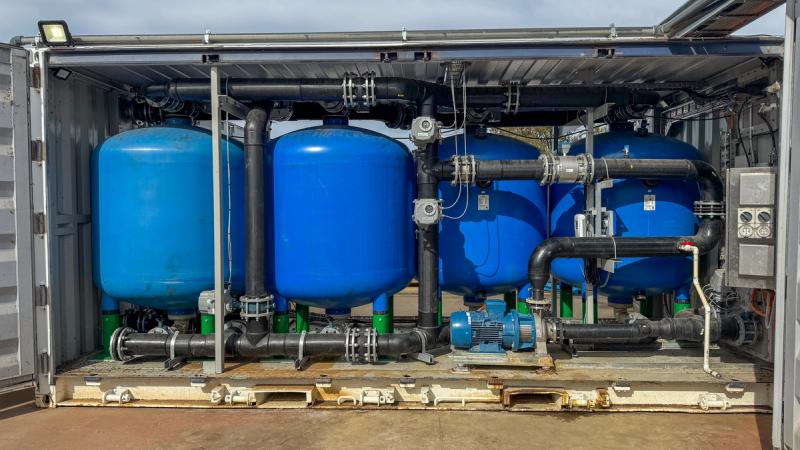
At SciDev, we use ion-exchange resins as part of a multi-stage treatment plan to effectively treat PFAS-affected water so that it can be safely discharged back into the environment. Ion exchange is a process that uses resin beads to exchange ions with dissolved contaminants, such as PFAS, in water. The resin beads have functional groups that can selectively bind to PFAS molecules and remove them from the water stream.
Depending on the water quality and PFAS composition, ion exchange can be used as a standalone or complementary technology to activated carbon. The main advantages of ion exchange are its high capacity, selectivity, and regeneration potential for PFAS removal.
SciDev’s FluorofIX™ technology is the only commercially available solution that can treat large volumes of highly contaminated water to below the limit of reporting of 0.00023ug/l and generate waste volumes of less than 0.001%.
FluorofIX™ uses ion exchange technology to remove PFAS effectively and efficiently from contaminated water, eliminating the risk of contaminant breakthroughs and minimising byproduct waste generation.
This technology utilises a series of specialist weak and strong base ion exchange resins. This is activated using a propriety process, enabling an extremely high holding capacity for PFAS while achieving treatment to the lowest possible detection limits.
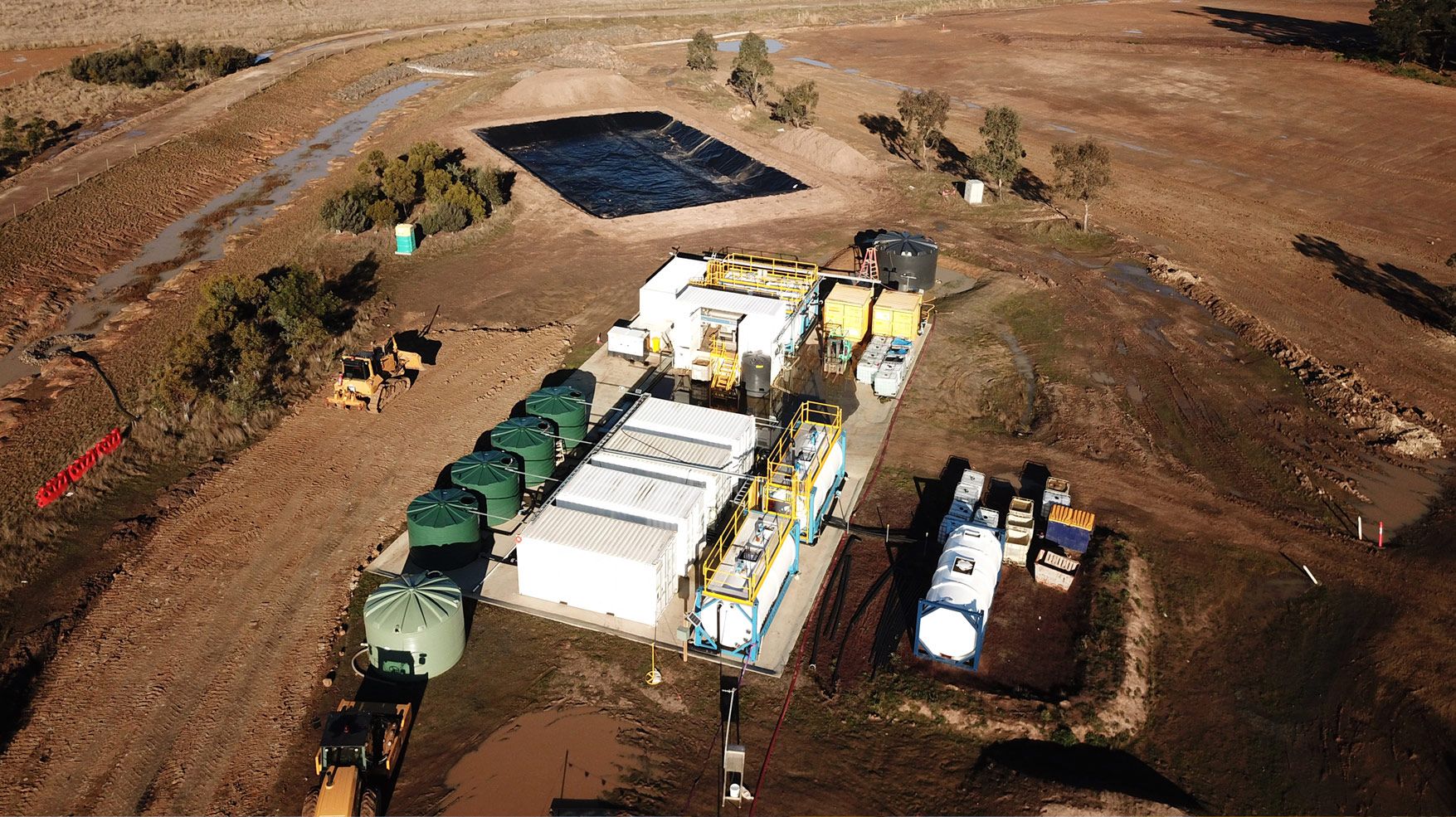
Our FluorofIX™ systems are mobile and modular, allowing for rapid deployment to site. These modules can be easily reconfigured to treat a wide range of contaminated surface water, groundwater and liquid waste enabling highly contaminated material to be treated and then safely discharged to the environment following treatment.
RegenIX™ is SciDev’s ion exchange resin regeneration technology, which is integrated into all of our treatment system designs without significant additional CAPEX costs. In addition, RegenIX™ reduces your ongoing OPEX by up to 79%.
Our proprietary regenerant solution is non-flammable and produces a liquid waste stream ideally suited for PFAS destruction technologies.
Benefits:
Key benefits
FluorofIX™ ion-exchange technology removes both short- and long-chain PFAS compounds, where many other treatment methods only target long-chain molecules.
A multi-stage ion-exchange process treats PFAS-affected water to the lowest possible detection limits, so it can be safely returned to the environment.
RegenIX™ resin regeneration is built into every treatment system design at no significant extra capital cost, cutting ongoing operating costs by up to 79% and waste generation by up to 93%.
SciDev has treated PFAS at more than 30 impacted sites across Australia, including several state-first treatment and discharge approvals.
Case studies
Infrastructure
Temporary water treatment plant to remove hexavalent chromium and other metals from surface water at Camellia, NSW.
Infrastructure
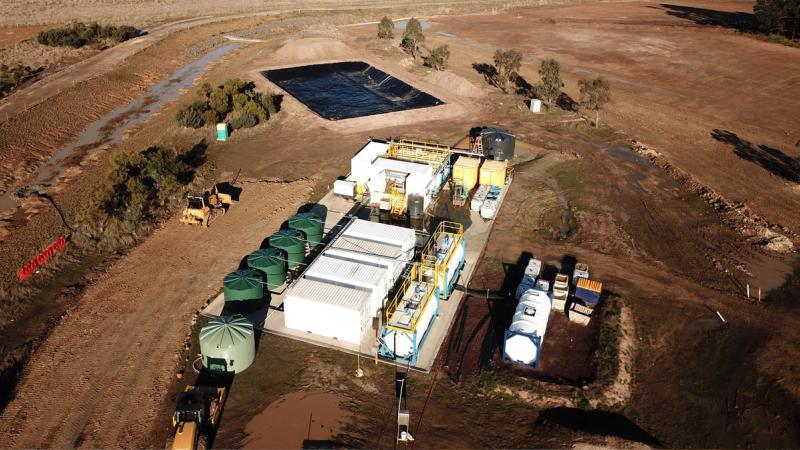
FluorofIX™ implemented for continuous discharge, removing PFAS and oxidisable precursors from contaminated ground and surface water at former CFA training site.
Infrastructure
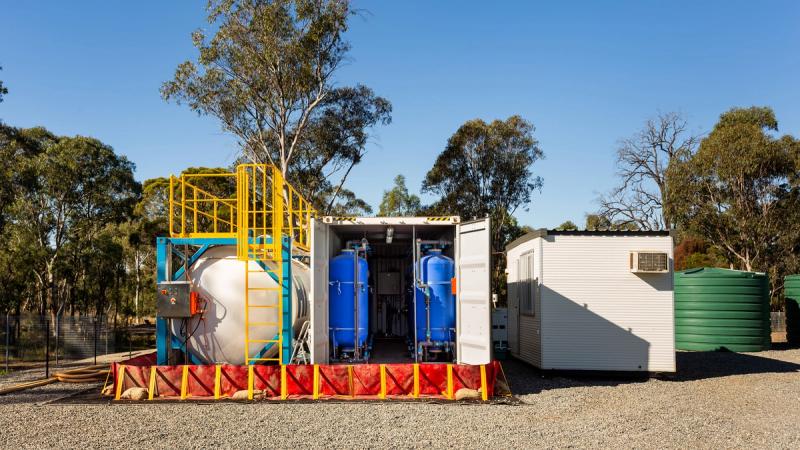
Temporary water treatment plant that treated 6.9 megalitres of PFAS-impacted water without a single media replacement, alongside capping works remediating two of the site's three retention dams.